Tropical Coconut Mango Sago Dessert Cups Without Baking
My kids started requesting this after we had something similar at a Filipino restaurant, and now it shows up at almost every summer gathering I host.
The sago needs 30 minutes of stovetop time, but your hands are barely involved. You stir occasionally, then walk away. That distinction matters when you are pulling together a full meal.
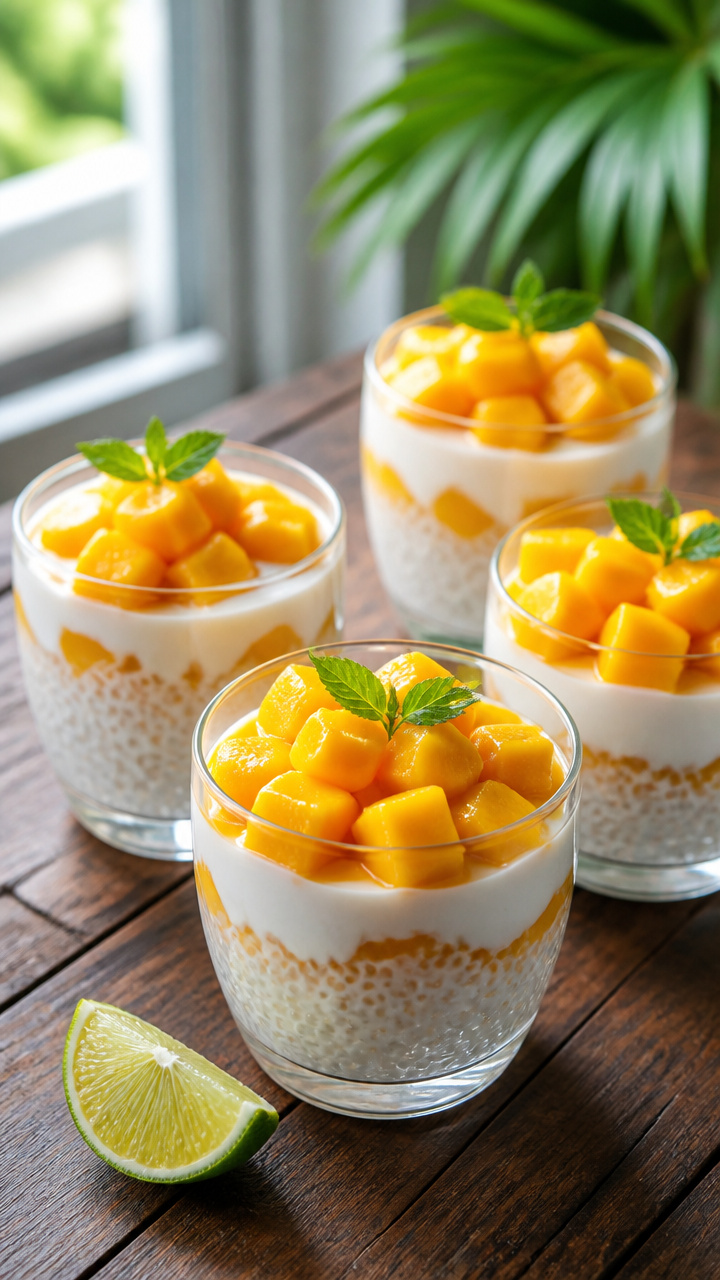
Tropical Coconut Mango Sago Dessert Cups Without Baking
Silky sago pearls layered with fresh mango and creamy coconut milk, served cold in individual cups.
Ingredients
Sago Base
- 1/2 cup small sago pearls , also labeled tapioca pearls, about 3mm size
- 6 cups water , for boiling
- 1/4 cup granulated sugar
- 1/4 cup water , for dissolving sugar
Coconut Layer
- 1 can (13.5 oz) full-fat coconut milk , chilled if possible
- 2 tablespoons sweetened condensed milk , adjust to taste
- 1/4 teaspoon vanilla extract
Mango Layer
- 2 large ripe Ataulfo or Alphonso mangoes , about 2 cups diced
- 1 tablespoon lime juice , fresh
- 1 pinch salt
Instructions
Cook the Sago
Make the Coconut Cream
Prepare the Mango
Assemble the Cups
Tips & Notes
- If your sago pearls still have a white center after the lid-resting step, return them to simmering water for 5 more minutes rather than resting again.
- Ataulfo mangoes are the gold standard here. Tommy Atkins mangoes work but they are more fibrous and less sweet, so taste and adjust your lime accordingly.
- Make the sago and coconut cream up to 24 hours ahead and store them separately in the fridge. Assemble and add mango no more than 2 hours before serving so the fruit stays bright.
- The coconut cream will thicken as it chills. If it becomes too thick to pour, whisk in 1 to 2 tablespoons of regular coconut milk to loosen it.
Nutrition per serving · estimated


Why Sago Behaves Differently Than You Expect
Sago and tapioca pearls are often sold interchangeably, but sago comes from a palm starch and has a slightly firmer, more distinct chew once cooked. That texture is exactly what makes these cups interesting rather than just sweet.
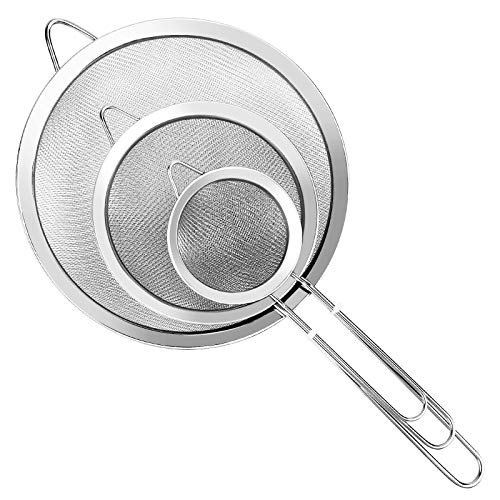
The boil-then-rest method is not a shortcut. It finishes the cooking gently so the pearls stay intact instead of breaking down into mush. Rinsing under cold water immediately after draining stops the cooking and keeps each pearl separate.
What Makes This Dessert Work at a Gathering
These cups are built to be made in stages. The sago and coconut cream can sit in the fridge overnight, and the mango takes under 5 minutes to cut and season the next day.
Serving them in individual clear cups also means zero last-minute plating. I set them out straight from the refrigerator, and they hold their shape and temperature through an entire backyard afternoon.